Introduction
Solar PV installations in South Africa must meet strict compliance requirements. Missing even one step can lead to failed inspections, rejected insurance claims, or municipal disconnection.
This short guide covers the essentials every installer needs to know.
The Core Compliance Documents
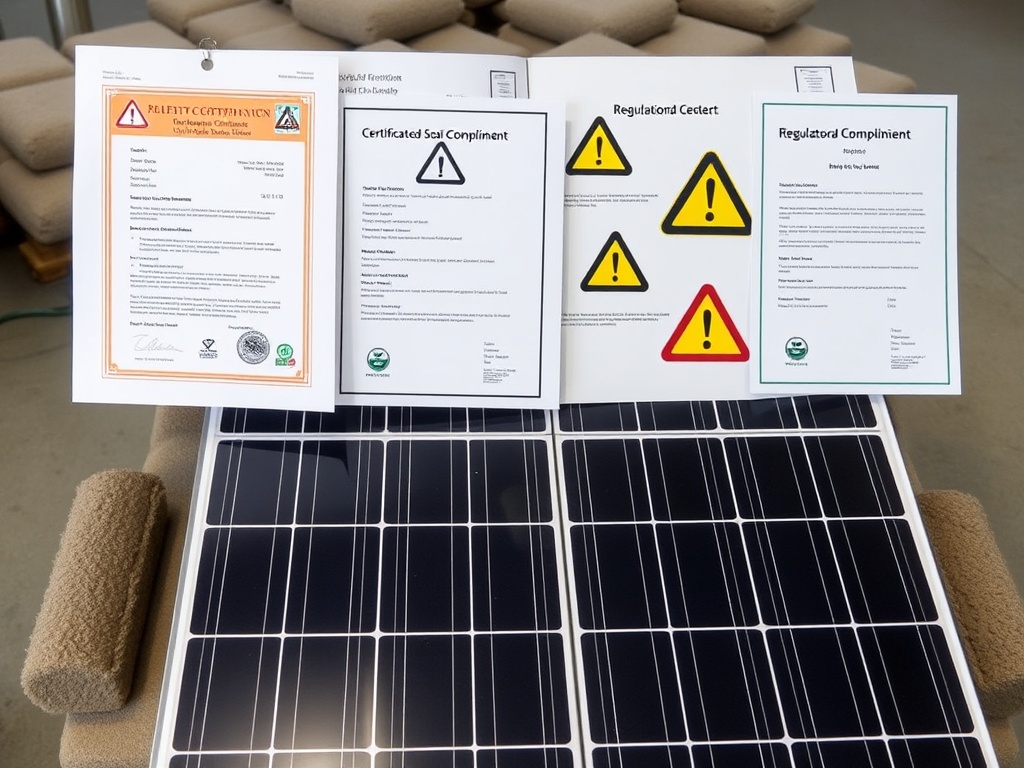
Every compliant installation must include a basic "document stack":
Certificate of Compliance (CoC)
Confirms the system meets SANS 10142-1 requirements
Inverter Documentation
Proof of NRCS approval and NRS 097 compliance
Commissioning Report
Verifies the system was tested and is safe
As-Built Drawings
Reflect the final installed system
Labels and Signage
Required for safety and inspection approval
Incomplete documentation is one of the most common reasons for project delays.
NRCS LoA — Why It Matters
A Letter of Authority (LoA) from the NRCS proves that equipment (especially inverters) meets South African safety standards.
If an inverter does not have a valid LoA:
- Municipal approval may be denied
- Insurance claims can be rejected
- Installers may be liable
Always verify the exact model and validity before installation.
NRS 097 — Grid Compliance Basics
NRS 097 governs how solar systems connect to the grid.
Key requirements include:
- Anti-islanding protection
- Correct voltage and frequency settings
- Use of approved inverters
Installers must also follow municipal SSEG processes, which often require application approval before installation.
Site File Pack — Your Protection
A complete site file protects installers during audits or disputes. At minimum, include:
- CoC and LoA documents
- Test and commissioning reports
- Drawings and datasheets
- Installation photos
- Client handover documents
Store records digitally for easy access.
Quick Compliance Checklist
Before Installation
- Verify NRCS LoA
- Confirm NRS 097 compliance
- Get municipal approval
After Installation
- Test and commission the system
- Issue CoC
- Compile full documentation pack
Final Thoughts
Solar compliance in South Africa isn't optional—it's essential. Installers who follow the correct standards and maintain proper documentation avoid rework, reduce risk, and build long-term trust with clients.
Keeping it simple: use approved equipment, follow SANS rules, and document everything.
