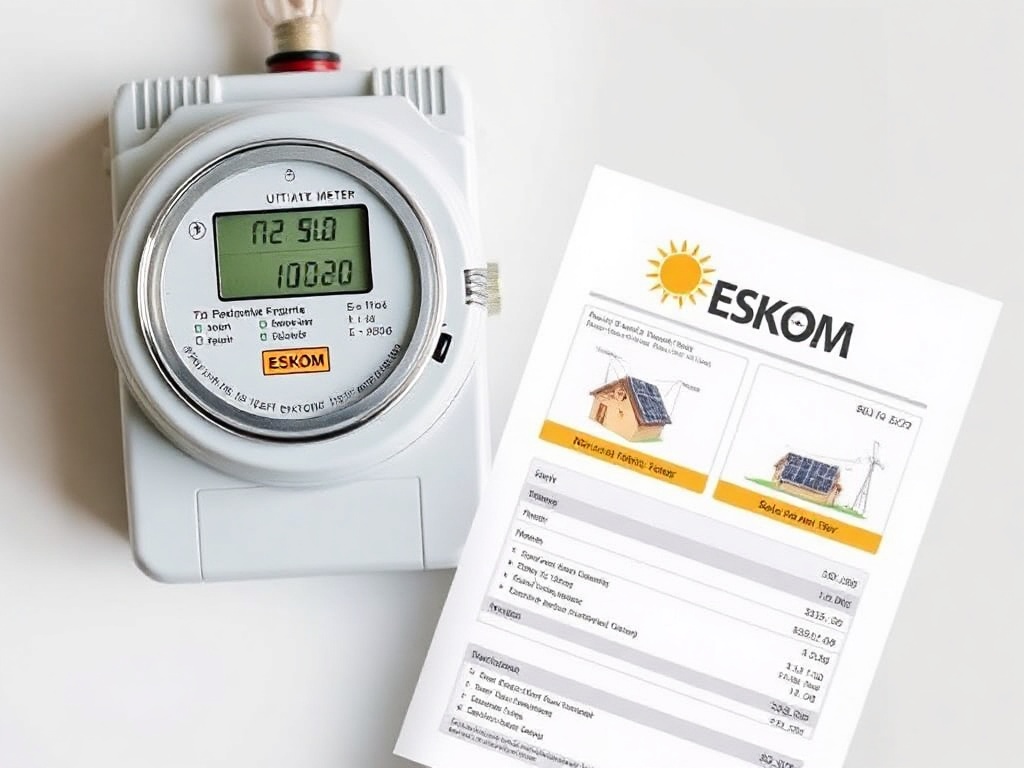
As more South African homeowners install solar systems, many want to know how Eskom's Homeflex tariff and export credits work. While exporting excess solar energy can reduce electricity costs, customers often misunderstand how credits are calculated and applied. Installers can avoid future disputes by explaining tariffs, metering requirements, and billing expectations before a project begins.
The Tariff Conversation — Set Expectations Before Procurement
Before purchasing a solar system, customers should understand that savings depend on more than just solar production.
Eskom requires grid-connected residential solar customers to move onto the Homeflex tariff. This tariff includes time-of-use pricing, meaning electricity costs vary depending on when energy is used.
Installers should explain that:
- Exported energy earns bill credits rather than guaranteed cash payments.
- Export credits are typically lower than the retail electricity rate.
- Solar systems reduce electricity costs but may not eliminate electricity bills.
- Fixed network and service charges may still apply.
Setting realistic expectations helps customers make informed decisions and prevents disappointment later.
Metering Basics — Why a Bidirectional Meter Matters
A bidirectional meter is essential for customers who want to receive Eskom export credits solar benefits.
The meter records:
- Electricity imported from the grid.
- Electricity exported to the grid.
- Time-of-use energy data.
Without approved metering, Eskom cannot accurately measure exports or apply credits to a customer's account. When discussing exporter meter requirements SA, installers should explain that registration, metering approval, and tariff conversion are all part of the process.
Common Misunderstandings — "Free Power" Myths and Credit Timing
Many customers assume exporting solar energy creates significant income. In reality, export credits are designed to offset electricity costs rather than generate profit.
Common misconceptions include:
"I get paid the same rate for exported electricity."
Export credits are usually different from the retail rate customers pay for imported electricity.
"My bill will disappear."
Most customers still pay fixed charges and may need grid electricity at night or during poor weather.
"Credits appear immediately."
Export credits may only appear after registration, meter activation, and billing system updates have been completed.
"My inverter app proves my export credits."
Inverter data and utility billing data are not always the same. Eskom relies on approved metering for billing purposes. Addressing these solar billing questions SA before installation helps avoid confusion and support requests later.
Documentation — What to Hand Over to Reduce Billing Disputes
A clear handover package can prevent many billing-related issues.
Installers should provide:
Registration Documents
- SSEG approval documents
- Utility correspondence
- Compliance certificates
Meter Information
- Meter serial numbers
- Installation records
- Meter photographs
Tariff Information
- Homeflex tariff explanation
- Export credit overview
- Sample billing examples
System Information
- Inverter specifications
- Single-line diagrams
- User manuals
- Warranty information
Providing written guidance helps customers understand how export credits work and where they will appear on electricity bills.
Official Eskom Reference
Eskom has confirmed that residential customers with approved rooftop solar systems can qualify for export credits after moving to the Homeflex tariff structure. For more information, refer to Eskom's official statement on tariff conversion and export credits.
Conclusion
Understanding the Homeflex tariff solar South Africa framework is essential for homeowners considering grid-connected solar systems. By clearly explaining export credits, bidirectional meter requirements, billing expectations, and registration processes, installers can improve customer satisfaction and reduce disputes after installation.
