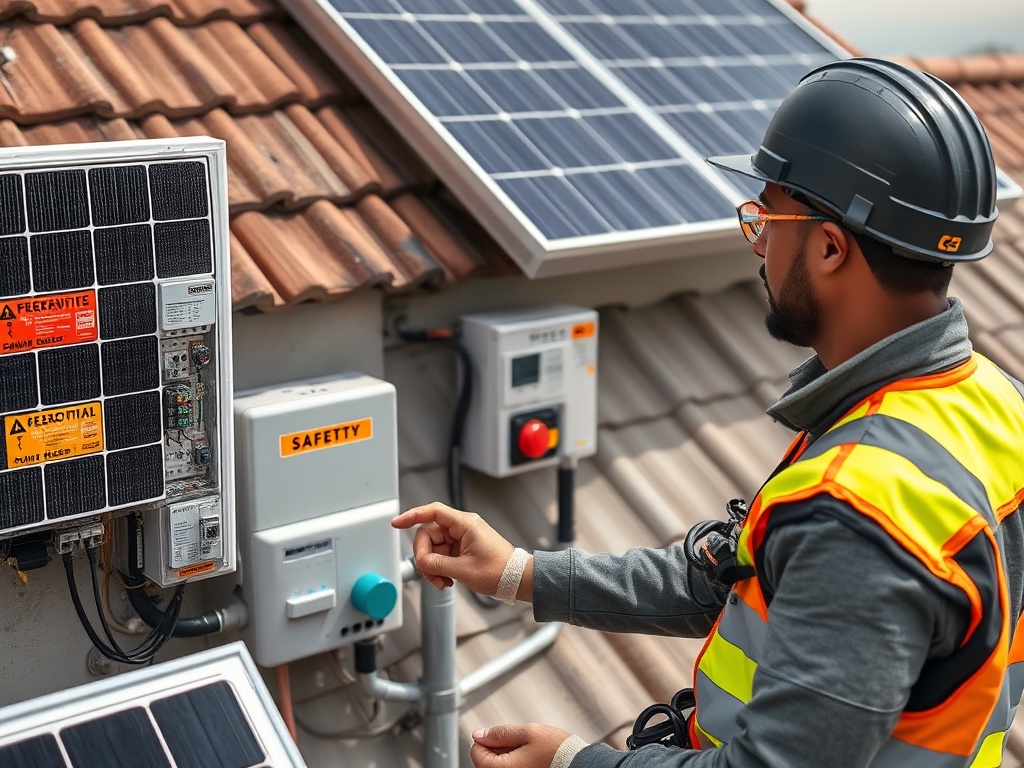
As solar PV installations continue to grow across South Africa, installers are increasingly working on sites connected to the Eskom network. Understanding utility safety requirements, network protection measures, and safe work procedures is essential for reducing risks, ensuring compliance, and protecting both workers and electrical infrastructure.
Why Utilities Care — Worker Safety and Network Stability
Utilities have a responsibility to maintain a safe and reliable electricity network. When customer-owned generation systems such as solar PV are connected to the grid, additional safety and operational considerations arise.
Protecting Utility Workers
One of Eskom's primary concerns is the safety of technicians working on the electrical network.
During maintenance, repairs, or fault investigations, utility workers may isolate sections of the network to ensure equipment is de-energised. If a solar installation continues supplying electricity back into the network, workers could be exposed to dangerous voltages.
This is why strict requirements exist for grid-connected solar systems and why installers must ensure all protection functions are correctly configured.
Preventing Backfeed Risks
Backfeed occurs when electricity flows from a customer's solar installation into the utility network.
While controlled export may be permitted in certain situations, uncontrolled backfeed can create significant safety and operational risks.
Potential consequences include:
- Increased risk to utility personnel
- Equipment damage
- Fault-clearing complications
- Network instability
- Safety hazards during outages
Installers play a key role in ensuring systems operate as intended and do not introduce unnecessary risks to the network.
The Importance of Anti-Islanding Protection
Anti-islanding protection is one of the most critical safety features in modern solar installations.
An islanding condition occurs when:
- Utility power is lost
- The solar system remains operational
- Local electrical loads continue receiving power
Without proper protection, a section of the network could remain energised even though utility workers believe it has been isolated.
Modern compliant inverters are designed to detect abnormal grid conditions and automatically disconnect when required. Installers must ensure that anti-islanding functions are properly configured and tested during commissioning.
Supporting Network Stability
Solar installations should operate safely alongside the existing electricity network.
Incorrectly configured systems may contribute to:
- Voltage fluctuations
- Frequency disturbances
- Harmonic issues
- Protection coordination problems
- Reverse power flow concerns
Following approved installation practices helps ensure solar systems support rather than compromise network reliability.
Installer Responsibilities — Isolations, Signage, and Safe Work Controls
Installers have a legal and professional responsibility to work safely when interacting with electrical systems connected to the Eskom network.
Proper planning and control measures can significantly reduce workplace risks.
Identify All Energy Sources
Before any work begins, installers should identify every potential energy source connected to the installation.
These may include:
- Eskom supply
- Solar PV arrays
- Battery storage systems
- Backup generators
- UPS systems
- Existing embedded generation equipment
Multiple power sources can remain active even when the main utility supply is disconnected.
Verify Isolation Procedures
Isolation is one of the most important steps before carrying out electrical work.
Installers should:
- Identify all isolation points
- Switch off relevant equipment
- Confirm isolation procedures have been completed
- Prevent accidental re-energisation
Assuming equipment is safe without verification can lead to serious incidents.
Use Lockout and Tagout Controls
Where appropriate, lockout and tagout procedures should be implemented.
These controls may include:
- Lockable isolators
- Warning tags
- Access restrictions
- Isolation registers
- Authorised person verification
The purpose is to prevent equipment from being energised while work is being performed.
Test Before Touching
After isolation, installers should always verify the absence of voltage using suitable test equipment.
This process helps confirm that circuits are safe to work on and reduces the risk of accidental contact with live conductors. Testing should form part of every installation, maintenance, and commissioning procedure.
Install Appropriate Signage
Clear signage is essential for safety and compliance.
Solar installations often contain multiple power sources, which can create confusion during maintenance or emergency situations.
Common labels may include:
- Solar PV warning signs
- Main switch identification
- Dual supply notices
- Battery hazard labels
- Emergency shutdown instructions
- Generation system identification labels
Proper signage helps future technicians, emergency responders, and property owners understand the system configuration.
Maintain Safe Work Areas
Good housekeeping contributes significantly to site safety.
Installers should:
- Keep work areas organised
- Secure loose cables
- Restrict public access
- Protect exposed conductors
- Use barriers where necessary
A clean and controlled work environment reduces the likelihood of accidents and equipment damage.
Follow Manufacturer Requirements
Every inverter, battery, and protection device should be installed according to manufacturer specifications.
Failure to follow installation instructions may result in:
- Reduced safety
- Equipment damage
- Warranty issues
- Compliance concerns
- Poor system performance
Manufacturer documentation should always be consulted during installation and commissioning.
Documentation That Prevents Disputes — Proof of Safe Commissioning Steps
Many disputes arise not because work was performed incorrectly, but because there is no evidence showing that proper procedures were followed.
Comprehensive documentation benefits installers, clients, and network operators.
Record Isolation and Safety Checks
Maintaining records of safety procedures demonstrates that appropriate controls were implemented.
Useful records may include:
- Isolation checklists
- Safety inspections
- Commissioning forms
- Testing reports
- Sign-off documentation
These records can become valuable if questions arise later regarding system performance or safety.
Document Protection Settings
Protection settings should always be recorded during commissioning.
Examples include:
- Anti-islanding settings
- Voltage protection parameters
- Frequency limits
- Export control settings
- Battery operating modes
Documenting these settings helps simplify future maintenance and troubleshooting.
Keep Technical Documentation
Installers should retain key project documentation, including:
- Single-line diagrams
- Equipment datasheets
- Product manuals
- Compliance certificates
- Wiring diagrams
- Test reports
Having these records readily available can help support inspections, maintenance work, and utility registration processes.
Use Commissioning Checklists
A structured commissioning checklist helps ensure critical steps are not overlooked.
Checklist items may include:
- Mechanical inspection
- Electrical inspection
- Polarity verification
- Earthing verification
- Torque checks
- Protection testing
- Functional testing
- Shutdown testing
Checklists create consistency and provide evidence that the installation was commissioned correctly.
Provide Client Documentation
Clients should receive all relevant project information once installation is complete.
Important handover documents may include:
- Certificate of Compliance (CoC)
- User manuals
- Warranty information
- Maintenance guidelines
- Emergency shutdown procedures
- Registration documentation where applicable
Providing clear documentation improves customer confidence and reduces misunderstandings.
When to Stop Work — High-Risk Triggers and Escalation
Knowing when to stop work is a critical part of electrical safety.
Installers should never feel pressured to continue working when conditions are unsafe or uncertain.
Unverified Isolation
Work should stop immediately if:
- Isolation cannot be confirmed
- Unexpected voltage is detected
- Circuits remain energised
- Isolation points cannot be identified
The source of the hazard must be investigated before work continues.
Unknown System Modifications
Many properties contain electrical alterations that are not reflected on existing drawings.
Examples may include:
- Generator connections
- Additional distribution boards
- Battery retrofits
- Informal wiring modifications
- Unlabelled circuits
Where the system configuration is unclear, further investigation should be completed before proceeding.
Damaged Equipment
Installers should halt work when discovering:
- Burnt conductors
- Water-damaged equipment
- Corroded connections
- Damaged switchgear
- Signs of overheating
These issues may indicate underlying faults that require corrective action.
Protection System Failures
Solar systems should never be commissioned if protection functions are not operating correctly.
Work should stop if:
- Anti-islanding testing fails
- Export controls malfunction
- Protection settings cannot be verified
- Required protection equipment is missing
These concerns should be addressed before energising the system.
Dangerous Environmental Conditions
Weather and site conditions can also create unacceptable risks.
Examples include:
- Lightning activity
- Heavy rainfall
- Flooding
- Unsafe roof access
- Structural instability
- High winds
Installer safety should always take priority over project deadlines.
Escalate When Necessary
Where significant safety concerns exist, installers should seek assistance from:
- Supervisors
- Registered electricians
- Professional engineers
- Equipment manufacturers
- Utility representatives when required
Early escalation often prevents costly mistakes and improves overall project outcomes.
Solar Installer Safety Checklist
Before commissioning a solar installation connected to the Eskom network, verify that:
- All energy sources have been identified
- Isolation procedures have been completed
- Voltage testing has been performed
- Safety signage has been installed
- Earthing has been verified
- Protection settings are correctly configured
- Anti-islanding functions have been tested
- Documentation is complete
- Commissioning records have been stored
- Client handover documents are ready
Conclusion
Safe interaction with the Eskom network requires proper isolation procedures, effective protection settings, and thorough documentation. By following established safety practices and recognising high-risk situations, solar installers can improve compliance, reduce risks, and help ensure the safe operation of embedded generation systems throughout South Africa.
