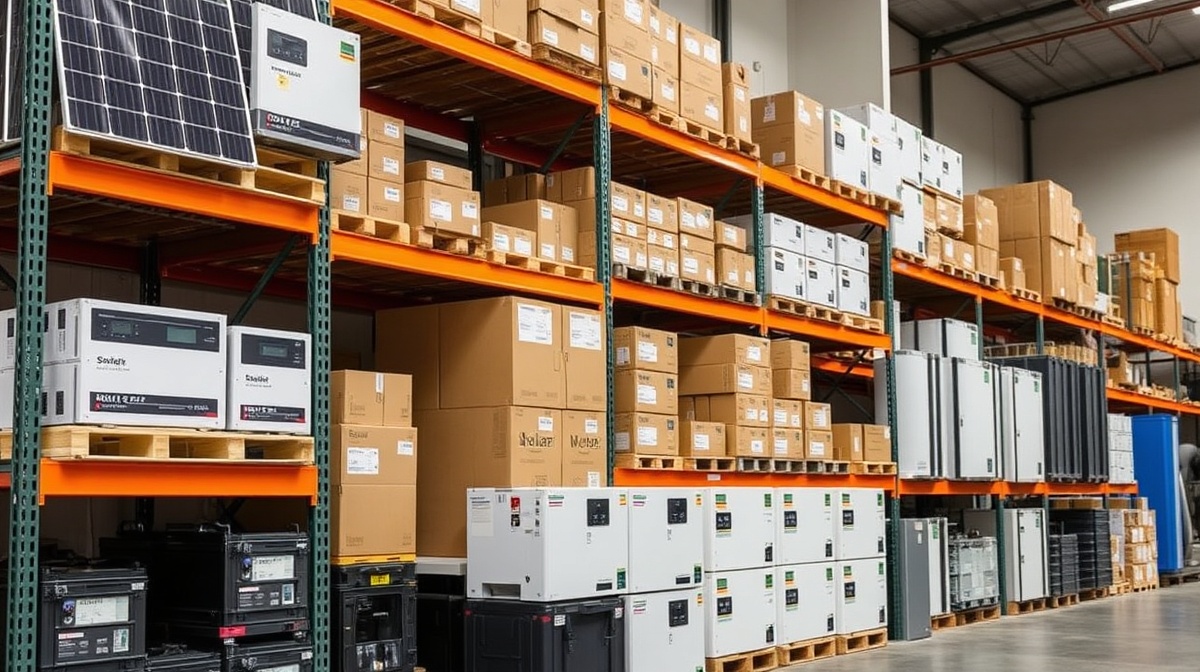
The Stockpile Challenge in Solar Distribution
Rapid demand growth means installers are desperate for equipment availability. Stockouts lose sales. Overstock ties up capital. Finding the right balance is critical for distributor profitability and customer satisfaction.
In South Africa's current solar boom, inventory management is a competitive differentiator. Distributors with consistent stock win more business.
Understanding Your Product Categories
High-Velocity Items (Stock Heavily)
- Solar panels: Most demanded product, multiple brands/wattages
- Inverters: Essential for every system, wide range of capacities
- Mounting hardware: Standard items, bulk purchases frequent
- Cables and connectors: Always needed, different gauges and specifications
Medium-Velocity Items (Maintain Core Stock)
- Lithium batteries: Growing demand, expensive to stock
- Combiner boxes: Project-specific requirements
- Monitoring systems: Optional but increasingly requested
Low-Velocity Items (Order-to-Delivery)
- Specialized equipment: Tracking systems, rare brands
- Custom solutions: Engineering-specific products
- High-value items: Large capacity batteries, commercial-grade equipment
Demand Forecasting Best Practices
1. Analyze Historical Sales Data
Review 12-24 months of sales by:
- Product category and specific SKU
- Monthly trends (seasonal variations)
- Customer segment (residential, commercial, industrial)
- Geographic region
2. Engage with Key Customers
Survey your top 10-20 installer accounts on:
- Pipeline projects in next 3-6 months
- System sizing trends (getting larger/smaller?)
- Product preferences and emerging needs
- Stock-out impact on their business
3. Monitor Industry Trends
- Load shedding forecast (higher stages = more sales)
- Electricity price increases (drive adoption)
- Government incentives and policy changes
- New installer registrations in your area
Optimal Stock Levels by Product
Recommended Inventory Levels
Solar Panels (by wattage):
Stock 3-6 months of projected sales. For 450W panels selling 500 units/month:
- Minimum stock: 1,500 units (3 months)
- Target stock: 2,500 units (5 months)
- Maximum stock: 3,000 units (6 months)
Inverters (by capacity):
Stock 2-3 months for each major capacity tier. Expensive items reduce holding costs.
- 3-5kW string inverters: 2 months stock
- 10-30kW three-phase: 1-2 months stock
- Hybrid inverters: 1 month (growing category)
Cables and Connectors:
High-turnover items. Stock generously.
- 4mm² PV cable: 3-6 months
- MC4 connectors: 3 months minimum
- Various gauges: proportional to sales
Lithium Batteries:
Expensive, volatile demand. Stock based on cash flow capacity.
- Standard 10-20kWh units: 2-3 months
- Specialized capacities: Order-to-delivery
- Consider financing/lease options to reduce holding
Inventory Management Systems
Implement Real-Time Tracking
Use inventory management software to:
- Track stock levels by SKU in real-time
- Alert when stock falls below minimum thresholds
- Generate automated purchase orders
- Track stock age and expiration dates
- Monitor slow-moving items
Warehouse Organization
Effective organization improves:
- Order fulfillment speed (critical for competitive advantage)
- Damage reduction
- Inventory accuracy
- Space utilization
- Staff efficiency
Use location codes, bin systems, and FIFO (first-in-first-out) rotation to minimize obsolescence.
Managing Slow-Moving Inventory
Identify Problem Items
- Items with zero sales in past 3 months
- Obsolete product lines or replaced models
- Slow-selling niche products
Resolution Strategies
- Promotional pricing: Run installer specials to move stock
- Bundle deals: Combine slow-movers with high-demand items
- Customer communication: Recommend alternatives to installers
- Manufacturer buyback: Negotiate returns for newer models
- Donation/tax benefits: Last resort for obsolete items
Balancing Stockouts vs Overstock
Cost of Stockout
- Lost sales to competitors
- Damaged customer relationships
- Reputation impact ("can't get stock when needed")
- Installer may switch to competitor supplier
Cost of Overstock
- Tied-up capital (cost of money)
- Storage costs and space constraints
- Obsolescence risk (technology changes)
- Damage or degradation in storage
Optimal strategy: Accept occasional stockouts on high-demand items, but maintain "safety stock" to avoid missing major orders. For expensive items, use pre-orders or consignment arrangements.
Key Takeaways
- Categorize inventory by velocity and manage accordingly
- Use historical data and customer input for demand forecasting
- Stock high-velocity items heavily; order-to-delivery for specialty items
- Implement real-time inventory tracking and automation
- Manage slow-moving items proactively
- Balance stockout risk vs overstock costs
- Reliable availability is a competitive advantage worth investing in
For Distributors
Strong inventory management is core to distributor success. Installers will prioritize suppliers who consistently have stock available. The investment in inventory infrastructure pays dividends through increased sales and customer loyalty. Smart forecasting and proactive inventory management separate leading distributors from the competition.
